Sports car events have become a vibrant and essential part of the automotive culture, attracting enthusiasts and collectors from all walks of life. These events not only showcase the beauty and engineering prowess of sports cars but also foster a sense of community among fans who share a passion for speed, performance, and design. From local car shows to international racing competitions, the variety of sports car events available today is vast, catering to different interests and skill levels. One of the most exciting aspects of these events is the diverse range of categories and classes that exist within them. Whether you are a fan of classic models, modern supercars, or even electric sports cars, there is likely a category that highlights your favorite type.
Events often feature competitions based on performance metrics, aesthetic appeal, or historical significance, allowing participants to showcase their vehicles in a way that resonates with their unique attributes. As we delve deeper into the world of sports car events, we will explore the various types that exist, including track days, car meets, and competitive racing. Each type offers its own set of challenges and rewards, making it essential for enthusiasts to understand where their vehicles fit within this dynamic landscape. By recognizing the different categories of sports cars, participants can better appreciate the nuances that make each event special and engaging.
Overview of Sports Car Events
Sports car events encompass a wide range of activities that celebrate the performance, design, and culture surrounding high-performance vehicles. These events can be categorized into several types, each offering unique experiences for enthusiasts and participants alike.- Racing Events: These are perhaps the most thrilling of all sports car events.
They include various formats such as track days, where drivers can test their skills on a closed circuit, and competitive races like time trials and endurance races. Events like the 24 Hours of Le Mans and Formula Drift showcase the pinnacle of sports car performance.
- Exhibitions and Shows: Car shows such as the Los Angeles Auto Show or the Geneva International Motor Show provide a platform for manufacturers to unveil new models and concepts. These events often feature classic and modern sports cars, allowing attendees to appreciate the evolution of automotive design.
- Club Events: Many sports car clubs organize their own events, which can range from casual meet-ups to competitive autocross challenges. These gatherings foster community among enthusiasts and often include activities like scenic drives or technical workshops.
- Charity Events: Some sports car events are organized for charitable causes, combining the thrill of driving with philanthropy.
Participants often pay an entry fee that goes towards a specific charity, making it a rewarding experience both on and off the track.
Categories of Sports Cars in Events
When it comes to sports car events, understanding the different categories of sports cars is essential for both participants and spectators.These classifications help in organizing competitions and ensuring that vehicles are matched against others with similar capabilities and characteristics.
Performance-Based Classifications
One of the primary ways to categorize sports cars is by their performance metrics. This includes:- High-Performance Sports Cars: These vehicles are designed for speed and agility, often featuring powerful engines and advanced aerodynamics. Examples include the Porsche 911 Turbo and Ferrari 488 GTB.
- Supercars: A step above high-performance sports cars, supercars offer extreme performance, luxury, and exclusivity. Models like the Lamborghini Aventador and Mclaren P1 fall into this category.
- Track-Ready Cars: These are specifically engineered for racing on tracks, often stripped of unnecessary weight and equipped with specialized tires and suspension systems.
Design-Based Classifications
The design of a sports car can also dictate its category.Some common design classifications include:
- Coupes: Typically two-door vehicles with a sporty aesthetic, coupes like the Chevrolet Corvette are popular in many events.
- Convertibles: These cars offer an open-top experience, combining performance with a sense of freedom. The Audi R8 Spyder is a prime example.
- Sedans: While less common in traditional sports car events, some high-performance sedans like the BMW M3 are included in specific categories.
Manufacturer-Based Classifications
Events may also categorize sports cars based on their manufacturers, allowing enthusiasts to showcase their brand loyalty. Categories might include:- American Muscle Cars: Known for their powerful engines and aggressive styling, these cars often compete in events focused on straight-line speed.
- European Sports Cars: Renowned for their engineering excellence, brands like Aston Martin, Porsche, and Bentley dominate many international events.
- Japanese Sports Cars: With a focus on reliability and performance, models from manufacturers like Nissan, Toyota, and Mazda have carved out a niche in various competitions.
Classes Within Sports Car Events
Sports car events are not just about speed; they also encompass a variety of classes that cater to different types of vehicles and their specifications. Understanding these classes is essential for both participants and spectators, as they define the competition structure and ensure fair play.Types of Classes
Classes within sports car events can be broadly categorized based on several factors:- Engine Size: Many events classify cars by engine displacement, with categories such as under 2.0L, 2.0L to 3.0L, and over 3.0L.
This classification helps level the playing field, allowing cars with similar power outputs to compete against each other.
- Modifications: Some events have strict rules regarding modifications. Classes may include stock, where vehicles must remain close to their factory specifications, and modified, which allows for extensive changes to performance and aesthetics.
- Age of Vehicle: Vintage sports car events often feature classes based on the age of the vehicle, such as pre-1970, 1970-1990, and post-1990. This distinction not only celebrates the history of sports cars but also creates a unique competitive atmosphere.
Racing Classes for Sports Cars
In addition to general classifications, many sports car events feature specific racing classes that focus on particular aspects of performance:- Sprint Racing: Short races that emphasize speed and quick lap times.
- Endurance Racing: Longer races that test the durability of both driver and vehicle.
- Time Attack: A format where drivers aim for the fastest lap time rather than head-to-head racing.
Popular Sports Car Events and Their Classifications
When it comes to sports car events, enthusiasts can find a variety of competitions that cater to different types of vehicles and driving styles.These events not only showcase the performance capabilities of various sports cars but also provide a platform for drivers to compete in a structured environment. Below are some of the most popular sports car events and their classifications.
Major Sports Car Competitions
- Le Mans 24 Hours: This endurance race is one of the most prestigious in the world, featuring a mix of prototypes and sports cars. Participants are classified based on their vehicle specifications, including engine size and aerodynamics.
- Formula Drift: A premier drifting competition where drivers are judged on their ability to control their cars while drifting through a course. Cars are categorized by their modifications, with classes for both professional and amateur drivers.
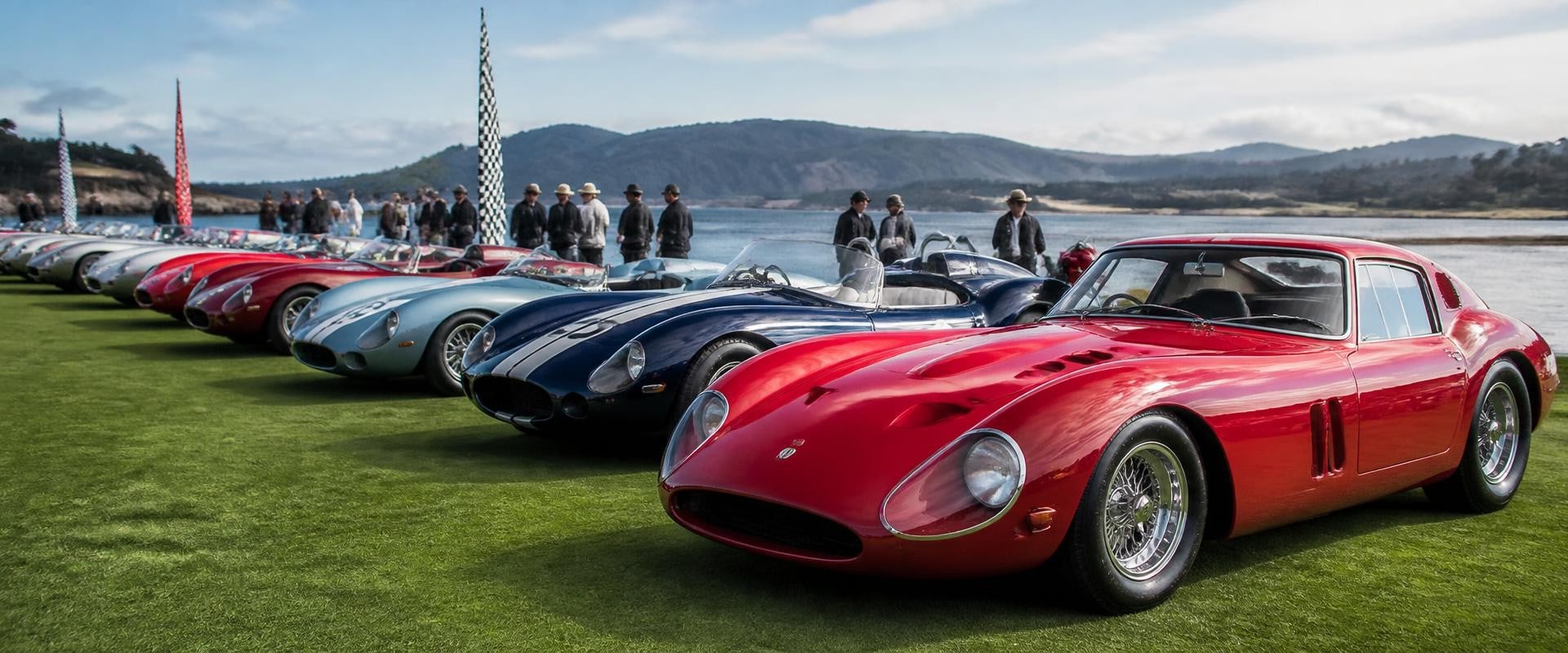
- Pebble Beach Concours d'Elegance: While primarily a car show, this event features categories for vintage and modern sports cars, allowing collectors to showcase their prized possessions.
Judging is based on aesthetics, historical significance, and originality.
- SCCA Solo Events: These autocross competitions allow drivers to compete against the clock on a timed course. Cars are classified into various categories based on factors like tire type and modifications, making it accessible for both novice and experienced drivers.
Event Classifications
Classifications in sports car events often depend on several factors:- Vehicle Type: Events may categorize cars into classes such as production, modified, or vintage.
- Performance Level: Some competitions have divisions for amateur versus professional drivers, ensuring fair competition.
- Engine Specifications: Many events classify vehicles based on engine size or power output, which can significantly affect performance.
FAQs About Sports Car Event Categories and Classes
When it comes to sports car events, many enthusiasts often have questions about the different categories and classes that exist. Understanding these classifications can enhance your experience and help you choose the right event to participate in or attend.What are the common categories for sports car events?
- Track Days: These events allow sports car owners to take their vehicles on a racetrack, focusing on performance and handling.
- Car Shows: These showcase various models, often with awards for categories like Best in Show, Best Classic, or Best Modified.
- Rally Events: These involve timed stages on public or private roads, emphasizing navigation and speed.
- Time Trials: Participants compete against the clock rather than head-to-head, making it a great way to test driving skills.
Are there specific classes within these categories?
Yes, most sports car events feature specific classes based on factors such as:- Vehicle Make and Model: Cars are often grouped by manufacturer or model type, allowing for fair competition among similar vehicles.
- Performance Modifications: Classes may differentiate between stock vehicles and those with aftermarket modifications.
- Driver Experience Level: Some events categorize participants into novice, intermediate, and advanced classes to ensure safety and competitiveness.
How can I find out which class my car fits into?
The best way to determine your car's class is to check the event's official website or contact the organizers directly.They usually provide detailed guidelines on how vehicles are classified based on specifications and modifications.If you're new to the scene, consider attending a few events as a spectator first. This will give you insight into how classifications work and help you decide where your vehicle might fit best.
Conclusion: Understanding Sports Car Event Classifications
In conclusion, understanding the various categories and classes at sports car events is essential for both participants and spectators. These classifications not only enhance the competitive spirit but also ensure that each vehicle is judged fairly against its peers. By recognizing the distinctions among different types of sports cars, enthusiasts can appreciate the nuances of performance, design, and engineering that each class represents.Typically, sports car events categorize vehicles based on several criteria:- Performance Level: Cars are often grouped by their horsepower, weight-to-power ratio, and overall performance metrics.
- Manufacturing Year: Many events feature classes for vintage, classic, and modern sports cars, allowing for a diverse range of participants.
- Type of Modification: Some events distinguish between stock vehicles and those that have been modified for enhanced performance.
- Brand-Specific Classes: Certain events may have categories dedicated to specific manufacturers, celebrating brand heritage and loyalty.
For participants, knowing their class allows them to set realistic goals and expectations based on their vehicle's capabilities.Ultimately, whether you are a driver aiming for the podium or a fan enjoying the spectacle, understanding these classifications enhances your engagement with the sport. As you attend more sports car events, take note of how these categories shape the competition and contribute to the vibrant culture surrounding sports cars.