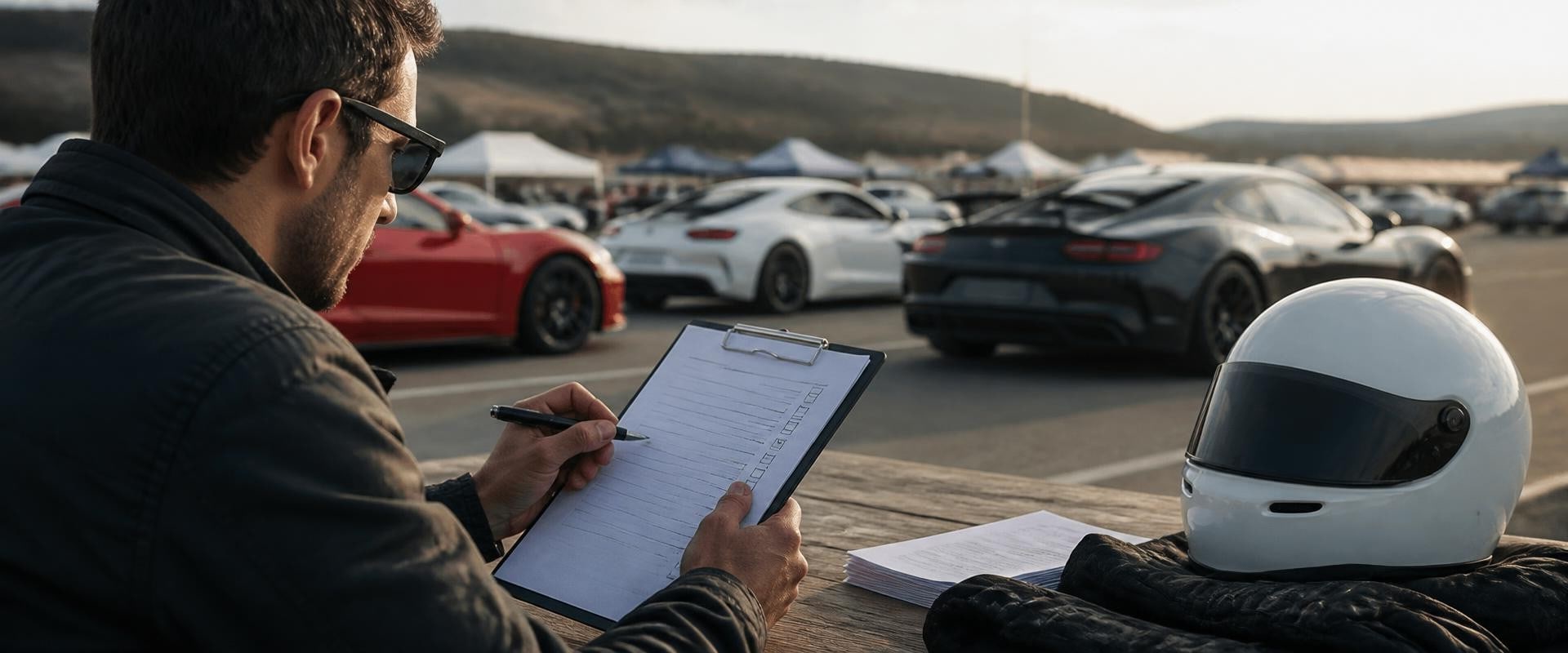
Sports car events are exhilarating gatherings that celebrate the passion for high-performance vehicles, bringing together enthusiasts, collectors, and racers alike. These events range from casual meet-ups to competitive races, showcasing the beauty and engineering prowess of sports cars. Whether you are a seasoned driver or a curious spectator, the atmosphere at these events is electric, filled with the roar of engines and the camaraderie of like-minded individuals. As you delve into the world of sports car events, it’s essential to understand that participation often comes with specific requirements. These can vary significantly depending on the nature of the event.
For instance, some events may require participants to have a vehicle that meets certain performance standards or safety regulations, while others might focus on aesthetic criteria, such as modifications or restorations. Understanding these participation requirements is crucial for anyone looking to join in on the action. In this article, we will explore the various types of sports car events and their unique requirements for participating cars. From track days that emphasize speed and handling to car shows that celebrate design and craftsmanship, each event has its own set of guidelines. By familiarizing yourself with these prerequisites, you can ensure that your vehicle is ready to hit the road or track, allowing you to fully enjoy the thrilling experience that sports car events have to offer.
Types of Sports Car Events
When it comes to sports car events, there are several distinct types that cater to different interests and levels of participation.Understanding these categories can help enthusiasts choose the right event for their vehicles and driving preferences.
Car Shows
Car shows are a popular way for sports car owners to showcase their vehicles. These events often feature a variety of classes based on make, model, and modifications. Participants typically need to meet specific criteria, such as:- Condition: Cars should be in excellent condition, often requiring a thorough cleaning and detailing.
- Modifications: Some shows have restrictions on modifications, while others encourage them. It's essential to check the event rules.
- Registration: Most car shows require prior registration, sometimes with an entry fee.
Track Days
Track days offer sports car enthusiasts the chance to test their vehicles' performance in a controlled environment.These events usually have specific requirements, including:
- Safety Gear: Participants must wear helmets and may need additional safety equipment depending on the track's regulations.
- Vehicle Inspection: Cars often undergo a technical inspection to ensure they meet safety standards.
- Experience Level: Some track days cater to beginners, while others are designed for more experienced drivers.
Rallies
Rallies combine driving skill with navigation challenges, making them exciting for participants. Requirements for entering a rally can vary widely but generally include:- Navigational Skills: Participants may need to follow specific routes using maps or GPS devices.
- Team Participation: Many rallies require teams, which can enhance the experience through collaboration.
- Vehicle Suitability: While most sports cars are welcome, some rallies may have restrictions based on vehicle type or age.
General Requirements for Participating Cars
When considering participation in sports car events, it is essential to understand the general requirements that most organizers impose on participating vehicles. These requirements ensure not only the safety of drivers and spectators but also the integrity of the event itself.Eligibility Criteria
Typically, eligibility criteria for sports cars can vary by event, but there are common standards that many adhere to:- Age of the Vehicle: Most events require that participating cars be manufactured within a certain timeframe, often focusing on models from the last 20 years. This ensures that vehicles are equipped with modern safety features and performance capabilities.
- Make and Model: Certain events may restrict participation to specific makes or models known for their performance characteristics.
It’s advisable to check the event’s guidelines for any such restrictions.
- Modifications: Many sports car events allow modifications, but they must comply with specific regulations. Common modifications include upgraded suspension systems, performance exhausts, and enhanced braking systems. However, modifications that compromise safety or exceed performance limits may disqualify a vehicle.
Safety Standards
Safety is paramount in any motorsport event. Therefore, participating cars must meet certain safety standards:- Roll Cages: For high-speed events, a roll cage may be required to protect the driver in case of an accident.
- Seat Belts: Vehicles must be equipped with high-quality seat belts, often with a minimum of a 5-point harness for racing events.
- Tires: Tires must be in good condition and suitable for the type of event.
Some events specify tire brands or types to ensure optimal performance.
Specific Requirements by Event Type
When it comes to sports car events, the specific requirements can vary significantly depending on the type of event. Understanding these requirements is crucial for participants to ensure compliance and enhance their overall experience.Track Day Requirements
Track days are designed for enthusiasts to test their vehicles in a controlled environment. Here are some common requirements:- Vehicle Condition: Cars must be in good mechanical condition, with no leaks or significant wear.
A pre-event inspection is often required.
- Safety Equipment: Participants are typically required to have a functioning roll cage, racing harnesses, and fire extinguishers. Helmets that meet safety standards are mandatory.
- Tires: Tires should be in excellent condition, with adequate tread depth. Some events may require specific tire types suitable for track use.
- Noise Restrictions: Many tracks impose noise limits, so cars must comply with decibel levels to avoid disqualification.
Rally Regulations
Rallies present a different set of challenges and requirements:- Navigational Equipment: Participants often need to equip their cars with GPS devices or rally computers for navigation.
- Safety Gear: Similar to track days, safety gear is essential. This includes helmets, fire suits, and sometimes even HANS devices for head and neck safety.
- Vehicle Modifications: Depending on the rally type, certain modifications may be required or prohibited.
For example, off-road rallies may necessitate enhanced suspension systems.
- Documentation: Drivers must carry valid licenses and vehicle registration documents. Insurance coverage is also a common requirement.
Safety Regulations and Compliance
Participating in sports car events requires adherence to a variety of safety regulations and compliance requirements that ensure the safety of both drivers and spectators. These regulations can vary significantly depending on the type of event, but there are common standards that most organizers enforce.Safety Equipment:
One of the primary requirements is the use of appropriate safety equipment.
This typically includes:
- Helmets: All drivers must wear helmets that meet or exceed the standards set by organizations such as the Snell Memorial Foundation.
- Racing Suits: Fire-resistant racing suits are often mandatory to protect drivers in case of an accident.
- Roll Cages: Many events require cars to be equipped with roll cages to provide structural integrity in the event of a rollover.
- Safety Harnesses: A five-point harness is commonly required to keep drivers securely in their seats during high-speed maneuvers.
Vehicle Compliance:
In addition to personal safety gear, the vehicles themselves must comply with specific standards. These may include:
- Technical Inspections: Cars usually undergo thorough inspections before being allowed on the track. Inspectors check for mechanical integrity, tire condition, and fluid leaks.
- Weight and Balance Regulations: Some events have strict rules regarding the weight and balance of vehicles to ensure fair competition and safety.
- Modifications: Certain modifications may be prohibited or require prior approval, particularly those that could affect vehicle stability or safety.
Event-Specific Standards:
Each sports car event may have its own unique set of safety standards. It is crucial for participants to review the event's regulations thoroughly before registering.
Failure to comply with these requirements can result in disqualification from the event.The importance of adhering to these safety regulations cannot be overstated. Not only do they protect participants, but they also enhance the overall experience for everyone involved. By ensuring compliance, drivers contribute to a safer environment that allows for thrilling competition while minimizing risks.
Frequently Asked Questions about Sports Car Event Requirements
Participating in sports car events can be an exhilarating experience, but many potential participants have questions regarding the specific requirements for their vehicles. Below are some frequently asked questions that can help clarify these requirements.What types of cars are eligible for sports car events?
Most sports car events welcome a variety of vehicles, but eligibility often depends on the event's focus.Generally, participants should have:
- Performance-oriented vehicles: Cars designed for speed and handling, such as coupes and convertibles from reputable manufacturers.
- Modified cars: Many events allow modifications, but they must comply with specific guidelines set by the organizers.
- Classic sports cars: Vintage models may also be accepted, provided they meet safety standards.
Are there safety requirements for participating cars?
Yes, safety is a top priority at sports car events. Common safety requirements include:- Working seat belts: All vehicles must have functional seat belts for both the driver and passengers.
- Tire condition: Tires should be in good condition with adequate tread depth to ensure optimal performance.
- Braking system: The brakes must be fully operational and capable of handling high speeds.
Do I need special insurance for my car?
Many organizers require participants to have specific insurance coverage. It’s advisable to check with the event coordinators about:- Liability insurance: This protects you in case of accidents involving other vehicles or property.
- Event-specific coverage: Some events may offer or require additional coverage tailored to the risks associated with high-speed driving.
Conclusion: Key Takeaways on Sports Car Event Participation
In summary, participating in sports car events requires careful consideration of various factors that can significantly impact your experience and success.Understanding the specific requirements is crucial for both novice and seasoned enthusiasts.Key Takeaways:
- Vehicle Eligibility: Each event may have distinct criteria regarding the types of cars allowed. Ensure your vehicle meets the specifications, including make, model, and performance standards.
- Safety Regulations: Most events mandate adherence to strict safety protocols. This includes having appropriate safety gear, such as helmets and harnesses, as well as ensuring your car is equipped with necessary safety features.
- Registration and Fees: Be prepared for registration processes that often include fees. Early registration can sometimes offer discounts or guarantee your spot in popular events.
- Driver Experience: Some events may require proof of driving experience or completion of specific training courses.
This is particularly true for competitive racing events where skill level is paramount.
- Insurance Requirements: Verify if the event has specific insurance requirements. Having adequate coverage can protect you from potential liabilities during the event.