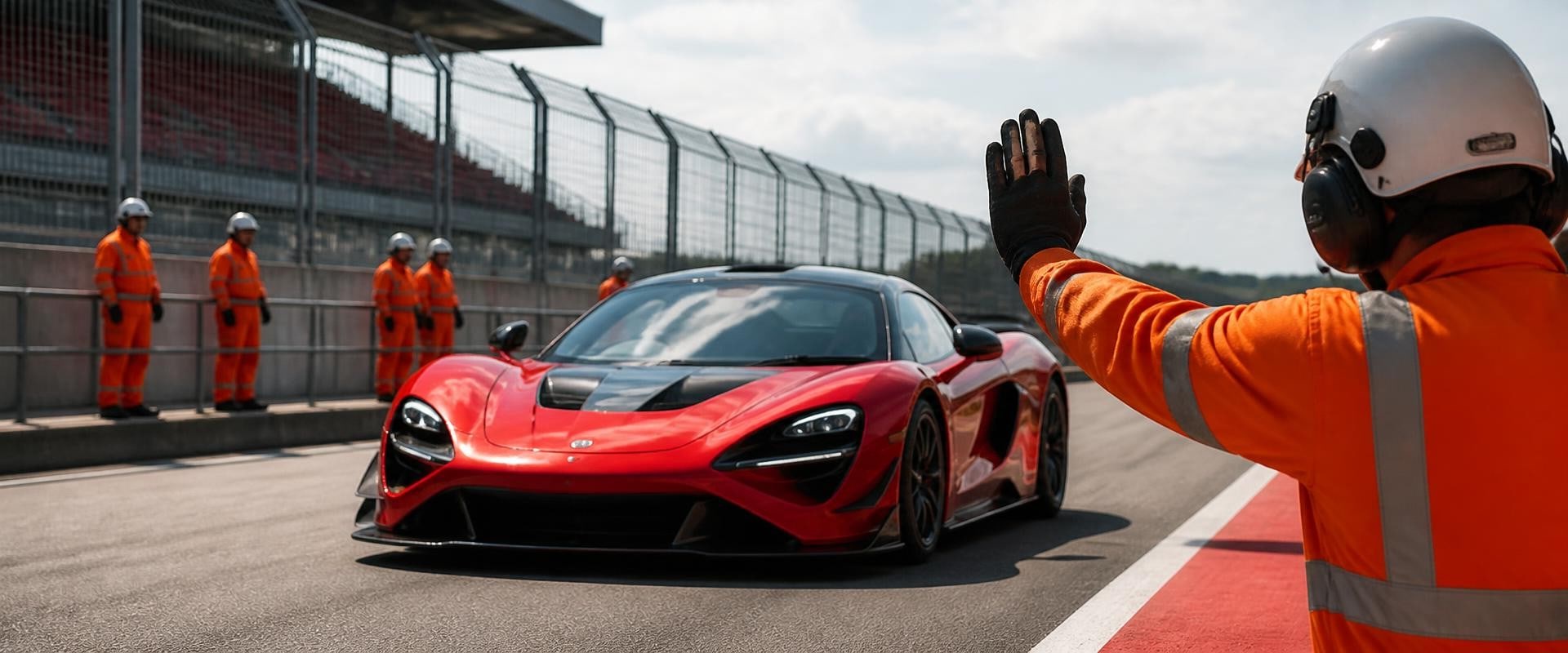
Sports car events are exhilarating gatherings that celebrate the passion for high-performance vehicles. These events can take many forms, including races, where drivers compete for speed and precision, exhibitions showcasing the latest models and innovations, and track days that allow enthusiasts to experience the thrill of driving on a professional circuit. Each type of event offers a unique opportunity for fans and participants to immerse themselves in the world of motorsport, whether they are seasoned racers or casual spectators. The diversity of sports car events caters to a wide range of interests. For instance, competitive races often feature various classes of vehicles, from classic sports cars to modern supercars, each vying for top honors.
Meanwhile, exhibitions provide a platform for manufacturers to unveil cutting-edge technology and design, attracting car aficionados eager to see what’s next in the automotive world. Track days, on the other hand, offer a more hands-on experience, allowing drivers to push their cars to the limit in a controlled environment. As thrilling as these events can be, they also come with inherent risks. Understanding the nature of these events is crucial when discussing the safety precautions that are implemented to protect participants and spectators alike. From stringent vehicle inspections to comprehensive safety briefings, organizers prioritize safety to ensure that everyone can enjoy the excitement of sports car events while minimizing potential hazards.
Importance of Safety at Sports Car Events
Safety is a paramount concern at sports car events, where the thrill of high-speed racing can quickly turn into a dangerous situation.The nature of motorsports inherently involves risks, including high speeds, sharp turns, and the potential for mechanical failures. Understanding the importance of safety measures is crucial for both participants and spectators alike.Accidents can have devastating consequences, not only for drivers but also for fans and crew members. A single miscalculation or equipment failure can lead to serious injuries or even fatalities. Therefore, implementing stringent safety protocols is essential to mitigate these risks.
- Protective Gear: Drivers are required to wear helmets, fire-resistant suits, and other protective gear to minimize injury in case of an accident.
- Track Safety: Race tracks are designed with safety features such as barriers, runoff areas, and proper signage to protect both drivers and spectators.
- Emergency Response: Events typically have medical teams on standby, ready to respond quickly in case of an emergency.
- Pre-Race Inspections: Vehicles undergo thorough inspections to ensure they meet safety standards before being allowed on the track.
When participants feel secure, they can focus on their performance without the distraction of potential hazards. Moreover, spectators are more likely to enjoy the event when they know that safety precautions are in place.In conclusion, prioritizing safety at sports car events is not just a regulatory requirement; it is a moral obligation that ensures the well-being of everyone involved. By fostering a culture of safety, the motorsport community can continue to thrive while minimizing risks associated with this exhilarating sport.
Common Safety Precautions Implemented
When attending sports car events, safety is a top priority for organizers and participants alike. Various event safety measures are implemented to ensure a secure environment for both drivers and spectators.Here are some of the most common precautions taken:
- Barriers and Fencing: Robust barriers are strategically placed around the track to prevent vehicles from veering off course and to protect spectators from potential accidents. These barriers are often made of reinforced materials designed to absorb impact.
- Medical Teams: Professional medical teams are on-site at all times during motorsport events. They are equipped to handle emergencies, providing immediate care in case of accidents or injuries. Their presence is crucial for ensuring quick response times.
- Vehicle Inspections: Before any vehicle is allowed on the track, thorough inspections are conducted to ensure that all cars meet safety standards.
This includes checking brakes, tires, and safety equipment such as roll cages and harnesses.
- Driver Briefings: Prior to the event, drivers participate in briefings that cover safety protocols, track layout, and emergency procedures. This ensures that all participants are aware of the rules and can act accordingly in case of an incident.
- Fire Safety Measures: Fire extinguishers and other fire safety equipment are readily available throughout the venue. Additionally, vehicles are equipped with fire suppression systems to minimize risks in case of a fire.
Role of Event Organizers in Ensuring Safety
Event organizers play a crucial role in ensuring the safety of participants and spectators at sports car events.Their responsibilities encompass a wide range of activities aimed at minimizing risks and promoting a secure environment.
Planning and Risk Assessment
- Before any event, organizers conduct thorough risk assessments to identify potential hazards associated with the venue, the vehicles, and the expected crowd size.
- This process involves evaluating factors such as track conditions, weather forecasts, and the experience level of drivers.
Compliance with Regulations
- Organizers must adhere to local, state, and federal regulations regarding safety standards. This includes obtaining necessary permits and ensuring that all safety equipment meets established guidelines.
- They often collaborate with local authorities and emergency services to develop comprehensive safety plans.
Implementation of Safety Measures
- During the event, organizers implement various safety measures such as:
- Barrier installations to protect spectators from high-speed vehicles.
- Medical personnel on-site to respond quickly to any incidents.
- Pre-event briefings for participants to ensure they understand safety protocols.
Continuous Monitoring
- Throughout the event, organizers continuously monitor conditions and participant behavior. This proactive approach allows them to address any emerging safety concerns promptly.
- They may also utilize technology, such as live tracking systems, to enhance situational awareness.
Safety Gear for Participants and Spectators
When attending sports car events, safety is paramount for both participants and spectators.The right protective equipment can significantly reduce the risk of injury, making it essential to understand what gear is necessary.
Safety Gear for Participants
For those behind the wheel, wearing appropriate motorsport safety gear is crucial. This includes:- Helmets: A high-quality helmet designed for motorsport use is non-negotiable. It should meet safety standards such as Snell or FIA certifications.
- Racing Suits: Fire-resistant suits made from materials like Nomex provide essential protection against flames and heat.
- Gloves: Racing gloves enhance grip on the steering wheel while offering protection from heat and abrasion.
- Footwear: Specialized racing shoes are designed to provide better pedal feel and protection.
- HANS Device: A Head and Neck Support device helps prevent head and neck injuries during collisions.
Safety Gear for Spectators
Spectators also need to prioritize their safety while enjoying the thrill of car events. Essential gear includes:- Earmuffs or Earplugs: The roar of engines can be deafening; protecting your hearing is vital.
- Sunscreen: Outdoor events can expose spectators to harmful UV rays, so applying sunscreen is a must.
- Comfortable Footwear: Given the potential for long hours on your feet, wearing comfortable shoes can prevent fatigue.
- Barriers and Fencing: Always stay behind designated barriers to ensure safety from any potential accidents on the track.
By equipping themselves with the right protective equipment, both participants and spectators can enjoy sports car events while minimizing risks associated with high-speed motorsport activities.
Emergency Response Plans at Sports Car Events
At sports car events, ensuring the safety of participants and spectators is paramount. To achieve this, comprehensive emergency response plans are established, tailored to the unique challenges posed by high-speed motorsport activities.Quick response teams
are a critical component of these plans. Typically composed of trained medical personnel, fire and rescue teams, and event officials, these teams are strategically positioned around the venue to ensure rapid access to any incident site. Their training includes not only basic first aid but also advanced trauma care specific to motorsport injuries.In addition to personnel, medical response plans outline the necessary equipment and procedures for various emergency scenarios.This includes:
- Ambulance Services: Dedicated ambulances equipped with advanced life support systems are on standby throughout the event.
- Communication Systems: A robust communication network ensures that all team members can quickly relay information about incidents, allowing for coordinated responses.
- Evacuation Routes: Clearly marked evacuation routes and procedures are established to facilitate the swift removal of injured individuals from the track area.
Case Studies: Safety Incidents and Lessons Learned
Throughout the history of sports car events, there have been several notable incidents that have prompted significant changes in safety protocols.Analyzing these case studies provides valuable insights into the importance of rigorous safety measures.
Case Study 1: The 2001 Le Mans Disaster
One of the most infamous incidents occurred during the 2001 Le Mans 24 Hours race, where a tragic accident resulted in multiple fatalities. A car lost control and crashed into the crowd, highlighting severe lapses in spectator safety. In response, organizers implemented stricter barriers and improved crowd control measures, ensuring that spectators are kept at a safe distance from the track.Case Study 2: The 2015 Formula E Crash
In a less severe but still alarming incident, a crash during a Formula E race in 2015 raised questions about vehicle safety and driver protection. The incident led to an immediate review of car designs and safety equipment.As a result, new regulations were introduced to enhance driver safety, including reinforced cockpits and improved helmet standards.
Lessons Learned
- Enhanced Barriers: Following incidents like Le Mans, the installation of advanced barriers has become standard practice at many sports car events.
- Emergency Response Training: Events now prioritize training for emergency personnel to ensure rapid response in case of accidents.
- Driver Safety Equipment: Continuous improvements in driver gear, including helmets and suits, have been mandated to reduce injury risks.
Frequently Asked Questions About Safety at Sports Car Events
When it comes to sports car events, safety is a top priority for organizers, participants, and spectators alike. Here are some frequently asked questions regarding safety measures in place at these thrilling events:- What safety measures are implemented for drivers?
Drivers are required to wear appropriate safety gear, including helmets, fire-resistant suits, gloves, and shoes. Additionally, vehicles must be equipped with safety features such as roll cages, harnesses, and fire extinguishers. - Are there medical personnel on-site?
Yes, most sports car events have trained medical staff available on-site.Emergency medical technicians (EMTs) and ambulances are typically present to respond quickly in case of an accident.
- How is crowd safety managed?
Organizers implement strict crowd control measures, including designated viewing areas and barriers to keep spectators at a safe distance from the track. Security personnel are also stationed throughout the venue to ensure compliance with safety protocols. - What happens in case of an accident?
In the event of an accident, the race is usually halted immediately. Emergency response teams are trained to assess the situation and provide necessary assistance. Safety protocols dictate that all participants must follow instructions from officials during such incidents. - Are there age restrictions for participants?
Yes, most events have age restrictions for drivers and passengers.Participants must typically be at least 18 years old and possess a valid driver’s license or racing permit.
Conclusion: The Future of Safety in Sports Car Events
As we conclude our exploration of safety precautions at sports car events, it is evident that the landscape of safety is continually evolving. The thrill of high-speed racing and the allure of powerful machines are undeniable, but they come with inherent risks that necessitate robust safety measures. Throughout this article, we have highlighted several key aspects of safety in sports car events. From the implementation of advanced technology such as telemetry systems to the presence of trained medical personnel on-site, these measures are designed to protect both participants and spectators.Additionally, the role of strict regulations and guidelines cannot be overstated; they serve as a framework for ensuring that events are conducted in a safe environment.
Looking Ahead
The future of safety in sports car events will likely see further advancements. Innovations in vehicle design, such as improved crash structures and enhanced driver safety gear, will continue to play a crucial role. Moreover, the integration of virtual reality and simulation training for drivers can help prepare them for real-world scenarios, reducing the likelihood of accidents. It is also essential for event organizers to foster a culture of safety among participants. This includes regular training sessions, clear communication of safety protocols, and encouraging drivers to prioritize their well-being over competition.By doing so, we can create an environment where excitement and safety coexist harmoniously. In conclusion, while sports car events offer exhilarating experiences, it is imperative for all involved—drivers, organizers, and fans—to remain vigilant about safety. As we look to the future, let us commit to prioritizing these measures to ensure that the thrill of racing can be enjoyed safely for generations to come.