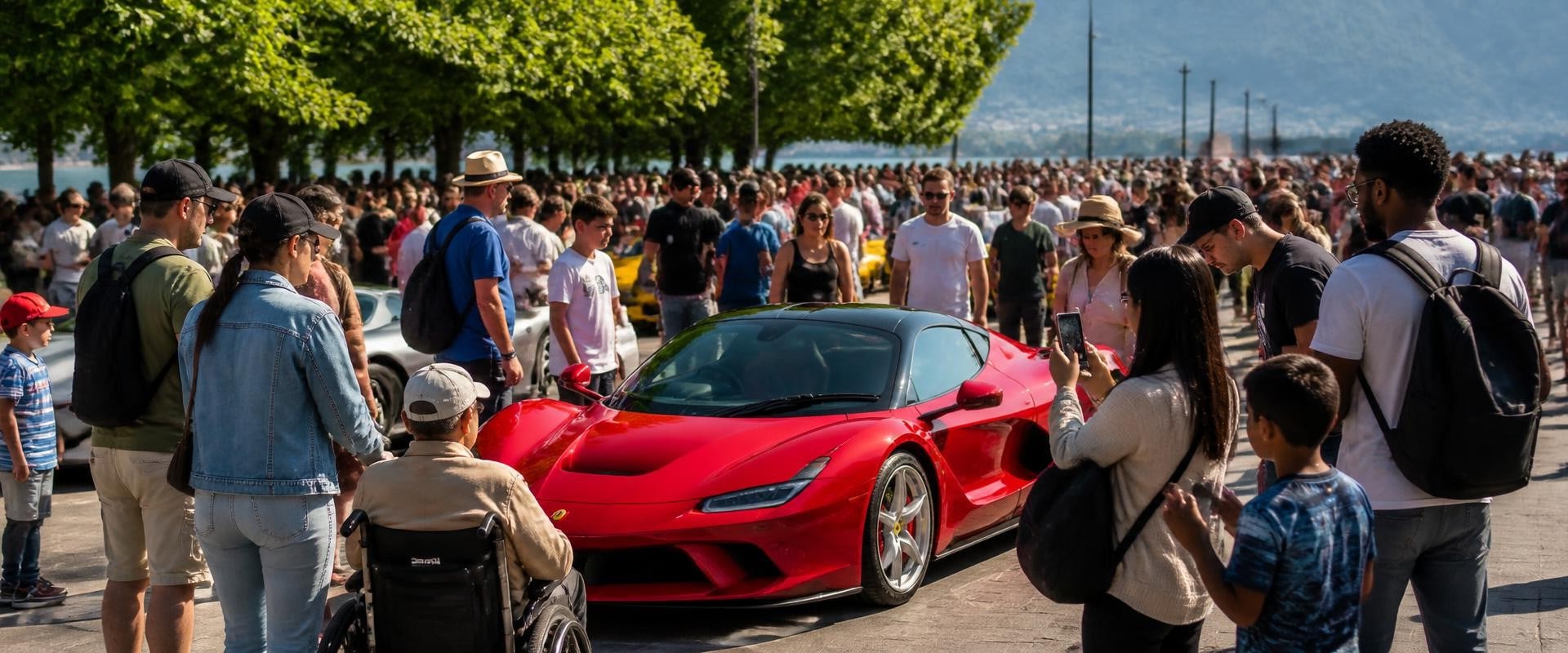
Sports car events have become a vibrant tapestry of automotive culture, drawing in a wide array of participants and spectators. These gatherings are not merely about showcasing high-performance vehicles; they serve as a melting pot for individuals from various backgrounds, united by a shared passion for speed, design, and engineering excellence. From local car shows to international racing competitions, the audience diversity at these events is often surprising, extending far beyond the typical car enthusiasts.While it’s easy to assume that sports car events cater primarily to die-hard fans of the automotive world, the reality is much more nuanced. Families, casual observers, and even those with a budding interest in cars often find themselves captivated by the atmosphere.
The thrill of watching powerful machines in action, coupled with the opportunity to engage with like-minded individuals, creates an inviting environment that appeals to a broader demographic. This inclusivity not only enhances the experience for attendees but also fosters a community that celebrates the love of cars in all its forms. As we delve deeper into the dynamics of these events, it becomes essential to explore who exactly is attending and what draws them in. Are they seasoned collectors and racers, or are they newcomers eager to learn more about the world of sports cars? Understanding this audience mix will provide valuable insights into how sports car events can continue to evolve and attract even more diverse crowds in the future.
Understanding Sports Car Events
Sports car events encompass a variety of gatherings that celebrate high-performance vehicles, attracting both enthusiasts and casual attendees. These events can range from competitive races to social meet-ups, each serving distinct purposes and appealing to different audiences.Types of Sports Car Events
- Races: These are perhaps the most thrilling of sports car events, featuring timed competitions on tracks or closed roads.
Events like track days and rally races draw serious competitors and fans eager to witness high-speed action.
- Car Shows: These events focus on showcasing vehicles, often featuring awards for categories such as best in show or best restoration. Car shows attract a wide audience, including families and casual car lovers who appreciate the aesthetics of sports cars.
- Meets: Informal gatherings where sports car owners come together to share their passion. These meets can be local or national and often include activities like group drives or photo sessions, appealing to a broad spectrum of attendees.
Purpose of Sports Car Events
The primary purpose of sports car events is to foster a community among car enthusiasts while promoting the culture surrounding high-performance vehicles. They serve as platforms for networking, sharing knowledge about car modifications, and discussing industry trends.Additionally, these events often aim to raise awareness for automotive safety and innovation.While the core audience may consist of dedicated car enthusiasts, many events are designed to be inclusive, inviting anyone with an interest in cars. This diversity can lead to a rich tapestry of attendees—from seasoned racers to families enjoying a day out—making sports car events not just about the cars but also about community engagement and shared experiences.
Demographics of Sports Car Event Attendees
Understanding the demographics of sports car event attendees is crucial for grasping the overall appeal and reach of these gatherings. While it may seem that the audience is predominantly made up of car enthusiasts, a closer look reveals a more diverse profile.Age Distribution
Sports car events attract a wide range of age groups. Typically, attendees can be categorized into three main age brackets:- 18-25 years: This younger demographic often includes college students and young professionals who are passionate about cars and motorsports.
- 26-40 years: The largest segment, this group consists of established professionals who have the financial means to invest in sports cars and enjoy the lifestyle associated with them.
- 41 years and older: Often seasoned enthusiasts, this demographic includes individuals who have been involved in the sports car community for decades, bringing a wealth of knowledge and experience.
Gender Representation
While traditionally male-dominated, the landscape is changing.Recent studies indicate that women now make up approximately 20-30% of attendees at sports car events. This shift reflects broader societal changes and an increasing interest among women in automotive culture.
Interests Beyond Cars
The audience profile at these events extends beyond mere car enthusiasts. Many attendees share interests in:- Motorsports: Fans of racing often attend to witness high-performance vehicles in action.
- Technology: Enthusiasts interested in automotive technology and innovation are drawn to showcases of cutting-edge engineering.
- Lifestyle: Many attendees appreciate the luxury lifestyle associated with sports cars, including fashion, travel, and fine dining.
The Role of Car Enthusiasts in Sports Car Events
Car enthusiasts play a pivotal role in shaping the atmosphere and experience at sports car events.Their passion for automobiles goes beyond mere admiration; it encompasses a deep appreciation for engineering, design, and performance. This dedication often translates into a vibrant community that thrives on shared interests and experiences.
Motivations for Attendance
- Networking Opportunities: Many enthusiasts attend these events to connect with like-minded individuals, share knowledge, and build relationships within the automotive community.
- Showcasing Personal Vehicles: For many, these events serve as a platform to display their own cars, showcasing modifications and unique features that reflect their personal style.
- Learning and Inspiration: Enthusiasts often seek to learn from others, whether through workshops, demonstrations, or simply by observing high-performance vehicles in action.
The Impact of Enthusiasts on Event Culture
The presence of car enthusiasts significantly enhances the overall experience at sports car events. Their enthusiasm is infectious, creating an electric atmosphere that attracts a wider audience. Here are some ways they influence the culture:
- Engagement: Enthusiasts often engage with newcomers, sharing stories and insights that help demystify the world of sports cars for those who may be less familiar.
- Community Building: They foster a sense of belonging among attendees, encouraging participation in discussions and activities that promote camaraderie.
- Event Evolution: Feedback from enthusiasts can lead to improvements in event organization, ensuring that future gatherings cater to the interests and needs of attendees.
Their passion not only enriches the event atmosphere but also plays a crucial role in fostering a community that celebrates automotive culture.
Attracting a Broader Audience: Strategies and Trends
To successfully attract a broader audience to sports car events, organizers are increasingly adopting innovative marketing strategies that go beyond traditional car enthusiast demographics. By implementing these strategies, they can create an inclusive atmosphere that appeals to a variety of attendees.Engaging Marketing Strategies
One effective approach is to leverage social media platforms to reach diverse groups. By showcasing not just the cars but also the lifestyle associated with them, event organizers can draw in individuals who may not be car enthusiasts but are interested in the culture surrounding sports cars. For instance, using visually appealing content on platforms like Instagram and TikTok can attract younger audiences who appreciate aesthetics and experiences.- Collaborations with Influencers: Partnering with lifestyle influencers or automotive content creators can help tap into their followers, many of whom may not identify as car enthusiasts but are drawn to the excitement of the events.
- Themed Events: Organizing themed events, such as family days or charity fundraisers, can broaden the appeal.
These events often include activities for all ages, making them more inviting for families and casual attendees.
- Interactive Experiences: Incorporating interactive elements like test drives, simulators, or workshops can engage attendees who might be curious about sports cars but lack prior knowledge.
Current Trends in Attendance
Recent trends indicate a shift in attendance demographics at sports car events. Many organizers are reporting an increase in participation from women and younger audiences. This shift is partly due to targeted marketing efforts and the inclusion of diverse activities that resonate with a wider audience.Moreover, as sustainability becomes a growing concern, events that feature electric sports cars or hybrid models are attracting environmentally conscious individuals. This trend not only diversifies the audience but also aligns with modern values, making these events more relevant in today’s market.In conclusion, by embracing innovative marketing strategies and adapting to current trends, sports car events can successfully attract a diverse range of attendees, enriching the overall experience for everyone involved.Case Studies: Successful Diverse Sports Car Events
To understand how sports car events can attract a diverse audience, we can look at several successful case studies that highlight effective strategies and outcomes.1.The Goodwood Festival of Speed
Held annually in the UK, the Goodwood Festival of Speed is a prime example of an event that draws a wide range of attendees.This festival not only showcases high-performance vehicles but also includes activities such as live music, art installations, and family-friendly attractions. By incorporating these elements, the event appeals to car enthusiasts, families, and even casual visitors who may not have a deep interest in cars.
2.Cars and Coffee
The Cars and Coffee gatherings, which take place in various cities across the United States, are another excellent case study. These informal meet-ups encourage car owners to showcase their vehicles while inviting the community to join in. The relaxed atmosphere fosters interaction among diverse groups, including young families, professionals, and automotive aficionados.This inclusivity is key to their success.
3.SEMA Show
The SEMA Show, held in Las Vegas, is one of the largest automotive trade shows globally. It attracts not only car enthusiasts but also industry professionals from various sectors such as technology, fashion, and lifestyle. By offering educational seminars and networking opportunities alongside vehicle displays, SEMA successfully engages a broader audience beyond just sports car fans.Successful Strategies for Diversity
- Inclusive Programming: Events that offer varied activities beyond car displays tend to attract a wider audience.
- Community Engagement: Involving local businesses and organizations can enhance participation from different demographic groups.
- Social Media Promotion: Utilizing platforms like Instagram and Facebook to showcase diverse attendees can create a welcoming image for potential visitors.
FAQs About Audience Diversity at Sports Car Events
When it comes to sports car events, many people wonder about the diversity of the audience. Here are some common questions and insights regarding who attends these events:Do sports car events attract diverse audiences?
Yes, sports car events often attract a wide range of attendees beyond just car enthusiasts.While a significant portion of the audience consists of individuals passionate about automobiles, these events also draw:
- Families: Many events are family-friendly, offering activities for children and adults alike.
- Local Communities: Residents from nearby areas often attend to enjoy the atmosphere and socialize.
- Tourists: Visitors traveling to experience local culture may include sports car events in their itinerary.
- Media and Influencers: Journalists and social media influencers often cover these events, bringing in a broader audience.
Common questions about sports car event attendees
Here are some frequently asked questions regarding the demographics of attendees at sports car events:- What age groups typically attend?
Attendees range from young adults to older generations, with many events featuring activities that appeal to all ages. - Are there many women at these events?
Yes, the presence of women is increasing at sports car events, both as participants and spectators. - Is there a cultural diversity among attendees?
Many events showcase a mix of cultures, reflecting the growing global interest in sports cars.
Audience engagement at car shows
The engagement level at sports car events is typically high, with various activities designed to attract different segments of the audience. These can include:- Interactive Displays: Many shows feature interactive exhibits where attendees can learn more about the technology behind sports cars.
- Test Drives: Opportunities for attendees to experience driving high-performance vehicles firsthand.
- Workshops and Panels: Educational sessions that cover topics from car maintenance to motorsport history, appealing to both enthusiasts and casual visitors.
Conclusion: The Future of Sports Car Events and Their Audiences
As we look towards the future of sports car events, it is clear that the landscape is evolving. The traditional image of these gatherings as exclusive meetups for die-hard car enthusiasts is gradually shifting. Today, we see a growing trend towards inclusivity, with events attracting a more diverse audience.Audience Trends in Motorsports
- Demographic Shifts: Younger generations are increasingly interested in motorsports, driven by social media and digital engagement.
This shift is bringing in a wider range of attendees, including families and casual fans.
- Women in Motorsports: The rise of female participation in motorsports is notable. Events are now actively promoting female drivers and enthusiasts, which helps to diversify the audience.
- Cultural Representation: Many sports car events are embracing cultural diversity by featuring international brands and showcasing cars from various countries, appealing to a broader demographic.
Conclusion on Diversity in Sports Car Events
The future of sports car events looks promising as they continue to evolve into inclusive spaces that welcome a variety of audiences. By embracing diversity and adapting to changing interests, these events can ensure their relevance and sustainability in the years to come.
As organizers recognize the importance of catering to a broader audience, we can expect to see even more innovative approaches that celebrate not just the cars but also the community surrounding them.